

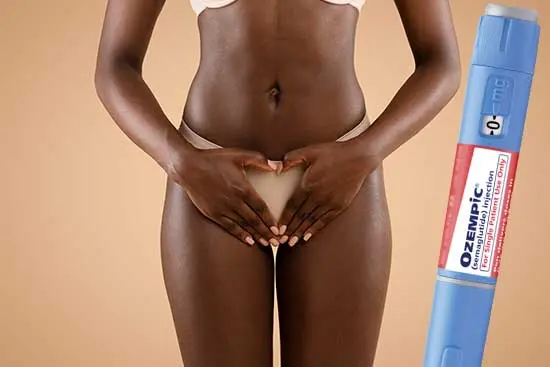
Ozempic has helped many women achieve meaningful results, but for some, unexpected changes below the waist have raised concern. Online forums, social media posts, and patient anecdotes increasingly mention symptoms such as vulvar sagging, dryness, irritation, or a feeling of looseness, often labeled as “Ozempic vulva.” These changes can be confusing, embarrassing, and anxiety-provoking, especially when they are not clearly explained in medication guides.
This article explains what “Ozempic vulva” really refers to, why these changes may occur, how common they appear to be, and what practical steps can help manage or prevent symptoms while continuing treatment safely.
Key Takeaways
- Loss of fat and muscle occurs throughout the body during significant weight loss, including the vulvar and pelvic regions.
- Hormonal changes tied to fat loss, dehydration, and reduced calorie intake can influence vaginal moisture and tissue health.
- Pelvic floor symptoms may become more noticeable during weight loss if muscle mass and strength are not preserved.
- Gut changes from GLP-1 therapy can indirectly affect vaginal microbiome balance in some individuals.
What is Ozempic vulva?
“Ozempic vulva” is a nickname that has emerged from online anecdotes and media reports describing changes in the vaginal and vulvar area that some women attribute to using Ozempic or similar GLP-1 weight-loss drugs.
According to OB/GYNs who have commented on this trend, the most frequently reported issues include:
-
- sagging or deflation of the labia (vaginal lips)
- vaginal dryness
- increased or changed discharge
- itching or irritation
- a sense of looseness or weaker pelvic floor muscles in the vaginal area
Some have even mentioned menstrual cycle changes (like irregular periods), although it’s not clear how common that is, and it could be due to general hormonal shifts from weight loss.
Dr. Prabha Sivaraman, a consultant gynecologist, explained to Healthline that Ozempic vulva is not a direct side effect of GLP-1 medications on those tissues. Instead, these changes are thought to be indirect results of the rapid weight loss and body composition changes that Ozempic triggers.
When you lose a lot of weight quickly, fat and muscle decrease all over the body, and the vulvar region is not exempt from that process. The soft tissues of the vulva (especially fat pads in the labia and mons pubis) can shrink and sag, and if the skin doesn’t tighten up at the same pace, you end up with a looser appearance or feel.
This is essentially the same phenomenon seen in other areas after major weight loss. For example, loose skin on the belly, arms, or face (“Ozempic face”) occurs because subcutaneous fat was supporting that skin and is now gone.